
Is Winter a Good Time to Buy New Construction in Northwest Indiana?
Last Updated: November 13, 2026
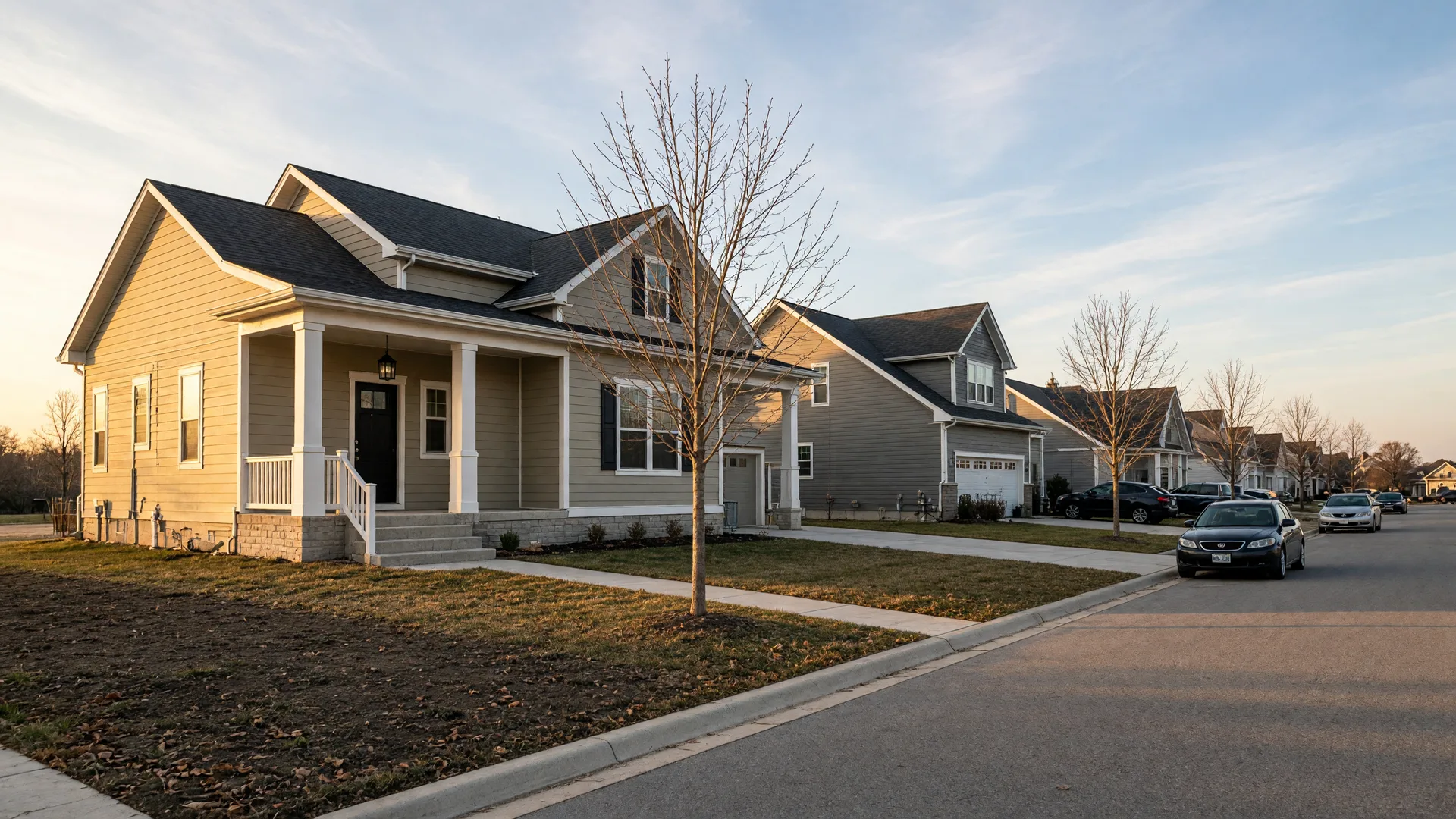
Key Takeaways
- Winter is peak incentive season for builders: closing cost credits, mortgage rate buydowns, and upgrade credits are most common in November and December as builders work toward year-end sales goals.
- Standing inventory (spec) homes close in weeks, not months, and are often the easiest to negotiate on, making them the fastest path to a new home before spring.
- The 30-year fixed rate averaged 7.18% the week of November 5, 2026, per Freddie Mac's Primary Mortgage Market Survey, its third straight weekly decline.
- Ground-up builds slow in cold weather, so signing now on a build-from-scratch home usually means a spring or summer delivery date; plan your timeline accordingly.
- Whichever season you choose, bring your own Realtor from day one: the builder's sales agent works for the builder, not for you.
Winter can be a genuinely good time to buy new construction in Northwest Indiana, and for ready buyers it is one of the smartest windows of the year.
You might assume that new-home season ends when the leaves fall.
Builders know better.
In November and December, builders across Dyer, St. John, Crown Point, Schererville, and Highland are working toward annual sales goals, and that pressure often shows up in the offers they are willing to make.
I have watched this happen every year in the Region: the incentives that builders roll out in late fall rarely appear in the spring brochures, when demand and selection both peak.
Here is what winter buyers should know, whether you are considering a quick move-in home or a build from scratch.
Why Builders Sweeten the Deal in Winter
Builders run on sales quotas, and those quotas reset at the end of each year. When a builder needs to close a few more homes before the calendar turns, the conversation shifts from "here is our price" to "here is what we can do to help you get in."
The most common winter incentives include closing cost credits, temporary mortgage rate buydowns that lower your first year or two of payments, design center upgrade credits, and outright price reductions on standing inventory homes.
This is not a secret the industry keeps. The National Association of Home Builders has tracked how widely builders use sales incentives, and incentive use tends to climb through the fall and ease once spring demand returns.
My advice: if you are shopping new construction anyway, there is very little downside to being in the market in November and December. The hard part is knowing which incentives are actually worth taking.
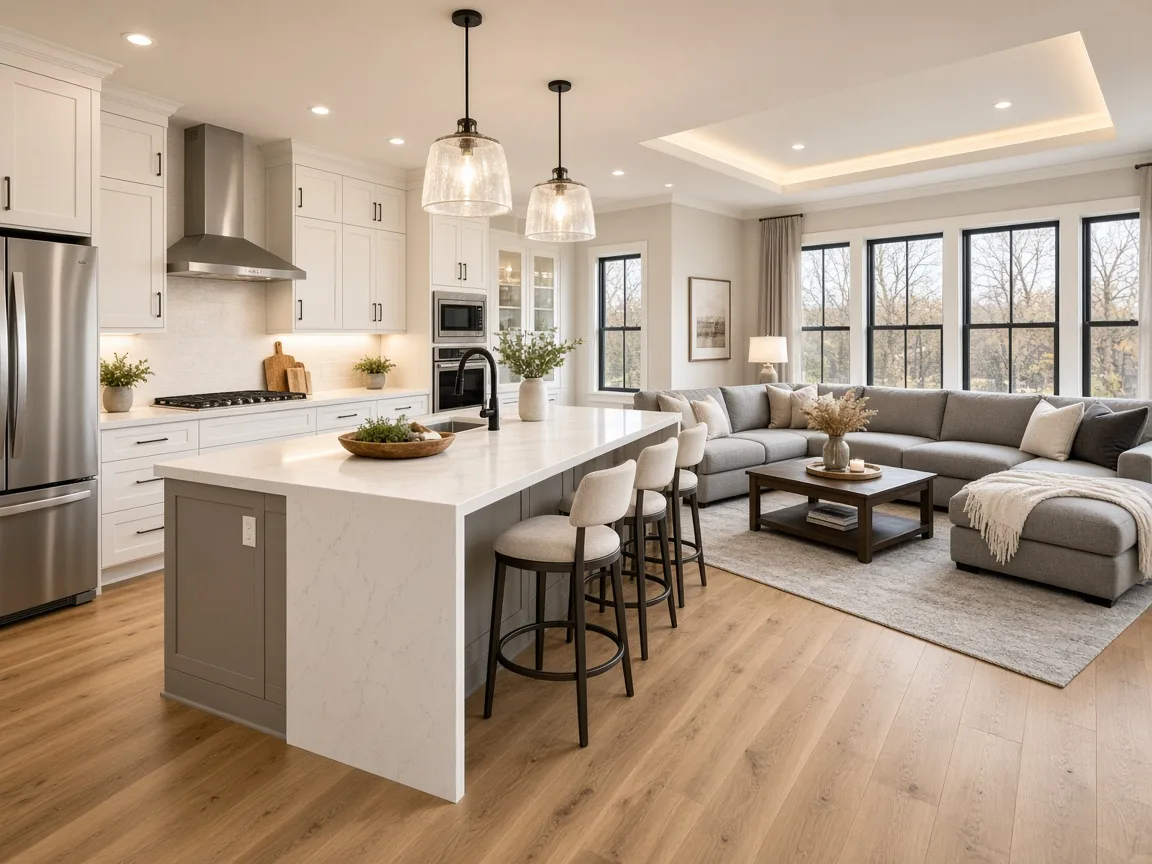
The Spec Home Shortcut
If your goal is to move before spring, standing inventory is the fastest path.
Standing inventory homes, also called quick move-in or spec homes, are already framed or finished. They close in weeks rather than months, and because the builder wants them off the books, they are often the easiest new-builds to negotiate on.
Ask each builder which homes are standing right now, in the community you like, at the price point you want. Sometimes the exact floor plan you would have ordered is already sitting there, waiting for a buyer who does not want to wait eight months.
The trade-off is simple: you get speed and leverage, but less choice on finishes. If you are flexible on counters and cabinets, a spec home can save you both money and months. My new construction versus resale comparison walks through how standing inventory fits into the decision.
What Winter Does to Your Timeline
If you are building from scratch, winter changes the math on timing.
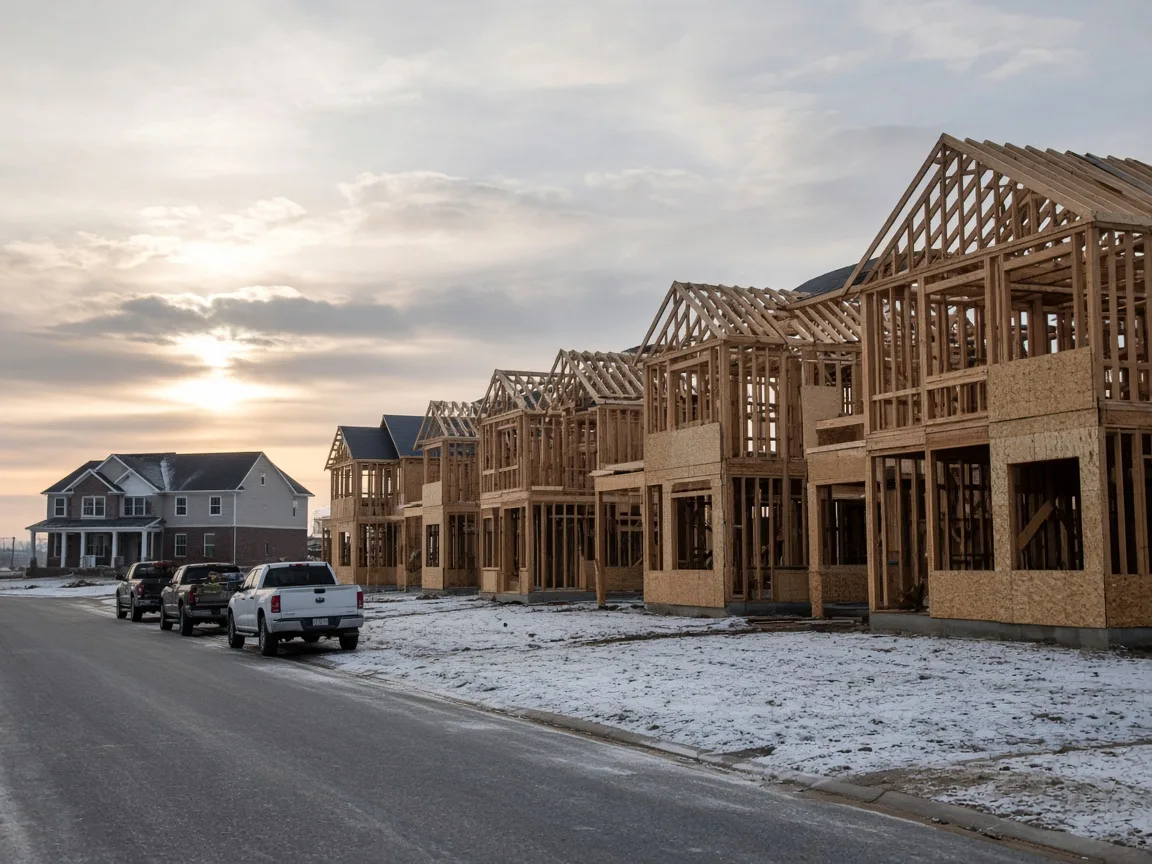
A production home in an established Northwest Indiana community typically takes about 4 to 7 months from contract to closing, while semi-custom and custom builds can run 8 to 14 months or longer. Cold weather can slow foundations, framing, and exterior work, so a contract signed in November often points to a spring or summer delivery.
That can actually work in your favor if you are selling a current home first, or if you simply want time to plan the move. But it is not the right choice for someone who needs keys by February.
And whatever you build, plan for the line items the base price does not include. My guide to the hidden costs of new construction covers upgrades, lot premiums, landscaping, closing costs, and the first-year property tax surprise that catches many new-build buyers.
The Mortgage Picture in November 2026
Rates matter more now than they did a few years ago, and the recent trend has been a gentle one.
The 30-year fixed-rate mortgage averaged 7.18% the week of November 5, 2026, according to Freddie Mac's Primary Mortgage Market Survey, its third consecutive weekly decline.
Here is where winter incentives get interesting: builders often bundle rate buydowns with their preferred lenders. A buydown lowers your payment for the first year or two, which can stretch your budget at exactly the time you are also paying for moving costs, furniture, and the finishing touches a new home needs.
The National Association of Realtors' guidance on the best time to buy is worth reading too, because it confirms what I see locally: the selection peaks in spring, while late-year buying offers some of the most negotiating room.
Where New Construction Is Happening in Northwest Indiana
New construction is not spread evenly across the Region, and knowing where the active communities are helps you shop efficiently.
St. John remains the magnet for buyers who want a brand-new four-bedroom on a larger lot, with communities like The Gates of St. John, Heron Lake, The Preserves, and Greystone. My St. John neighborhood guide covers the subdivisions, home styles, and commute.
Dyer offers Pheasant Hills, Saddle Creek, and Emerald Crossing, in a town consistently praised for its schools and amenities. Schererville has Briar Ridge and easy access to US-30. Crown Point is adding Beacon Hill and Falling Waters while maintaining its historic square. And Highland's Wicker Highlands, Arbor Hill, and Sandalwood put newer inventory close to Wicker Park.
Builders active across these towns include Steiner Homes, Olthof Homes, Diamond Homes, Peak Homes, Providence Homes, and Hayven Homes, plus a number of strong custom builders.
Prices vary widely by community and customization. Attached and townhome-style new builds start lower, single-family production homes commonly land in the mid-to-upper hundreds of thousands, and move-up and semi-custom homes climb well beyond that. The Dyer and Crown Point guides give you a feel for how each town's new construction compares.
The One Thing to Know Before You Sign
Whichever season you buy in, this is the most important rule of new construction: bring your own Realtor from day one.
The builder's sales agent works for the builder, not for you. Builder purchase agreements are written to protect the builder, and the design center is designed to sell upgrades.
When you work with me, you have someone who knows the builders, their contracts, and their standard offers. Representation typically costs you nothing, because the builder pays the buyer's agent commission. You simply get an advocate on your side of the table.
My complete new construction guide for Northwest Indiana covers builders, communities, and buying tips in depth, and my step-by-step buying guide walks through the whole process from pre-approval to closing.
Frequently Asked Questions
Here are the questions buyers ask most often about winter new construction in Northwest Indiana.
Frequently Asked Questions
Is winter really a good time to buy new construction?
For many buyers, yes. Winter is when builders are most motivated to reach annual sales goals, so closing cost credits, mortgage rate buydowns, and upgrade credits are more common. The trade-off is selection: spring and early summer offer the widest choice of floor plans and lots, while winter offers the most leverage on price and incentives.
Do builders offer better incentives in November and December?
Often, yes. Builders typically ramp up incentives as the calendar year winds down to close more homes before their sales quotas reset. The most common offers are closing cost credits, temporary rate buydowns that lower your first year or two of payments, design center upgrade credits, and price reductions on standing inventory homes. Incentive levels vary by builder and community, so it pays to ask what is currently on the table.
How long does it take to build a new home in Northwest Indiana?
A production home in an established community typically takes about 4 to 7 months from signed contract to closing. Semi-custom and custom builds can run 8 to 14 months or longer, and cold weather can slow construction. Standing inventory homes, also called quick move-in or spec homes, are already framed or finished and can close in weeks rather than months.
Can I negotiate the price of a new construction home in winter?
Yes, especially on standing inventory homes and as the year-end approaches. Negotiation on new construction usually happens through incentives rather than a lower list price, such as closing cost help, rate buydowns, upgraded finishes, or free appliances. An experienced buyer's agent who has closed on new builds can help you compare what is actually on the table.
Do I need my own Realtor to buy new construction?
Yes. The builder's sales agent works for the builder, not for you, and builder purchase agreements are written to protect the builder. Having your own representation ensures someone is looking out for your interests in contract negotiations, upgrade decisions, inspection coordination, and closing. Representation typically costs you nothing, because the builder usually pays the buyer's agent commission.
Liz's Take: Winter Buyers Have Leverage
After nine years helping buyers and sellers across Northwest Indiana, I can tell you that the "wait for spring" instinct is often the most expensive advice out there.
Spring brings more floor plans, more lots, and more buyers competing for them. Winter brings builders who need to close homes, incentives that do not survive the calendar flip, and standing inventory that will not be there in May.
That is not to say winter is right for everyone. If you are not ready to move, no incentive makes sense.
But if you are ready, there is real leverage in shopping new construction right now, and I would love to help you use it.
I have personally bought and sold six properties, including two vacation rentals I have managed for more than twelve years, so I know what it feels like to sign on the dotted line and what a fair builder contract looks like.
Whether you are looking at a quick move-in home in St. John, a semi-custom build in Crown Point, or anything in between, I would be happy to walk the communities with you and compare the deals builders are offering this winter.
No pressure. No obligation. Just honest guidance.
Liz Rytel-Mudroncik, REALTOR®
Better Homes & Gardens Real Estate Connections
Disclaimer: This article provides general real estate information. Mortgage rates, builder incentives, construction timelines, and pricing change frequently and vary by builder, community, and location. Contact a lender and your Realtor for current figures specific to your situation.
Related Reading
New Construction vs. Resale in Northwest Indiana
Compare costs, timelines, warranties, and hidden costs across the Region's new-build communities and established neighborhoods.
Hidden Costs of New Construction
Upgrades, lot premiums, closing costs, and the first-year property tax bill every new-build buyer should budget for.
St. John Neighborhood Guide
Subdivisions, home styles, and commute details for one of Northwest Indiana's fastest-growing new-construction towns.
New Construction in Northwest Indiana: Builder Guide
Active developments in Dyer, St. John, Crown Point, and Schererville, plus tips for buying new-build homes.
Read the Buying Guide or contact Liz for a free consultation or market analysis.