
How to Buy a Vacation Home: A Step-by-Step Guide for Northwest Indiana Buyers
Last Updated: October 27, 2026
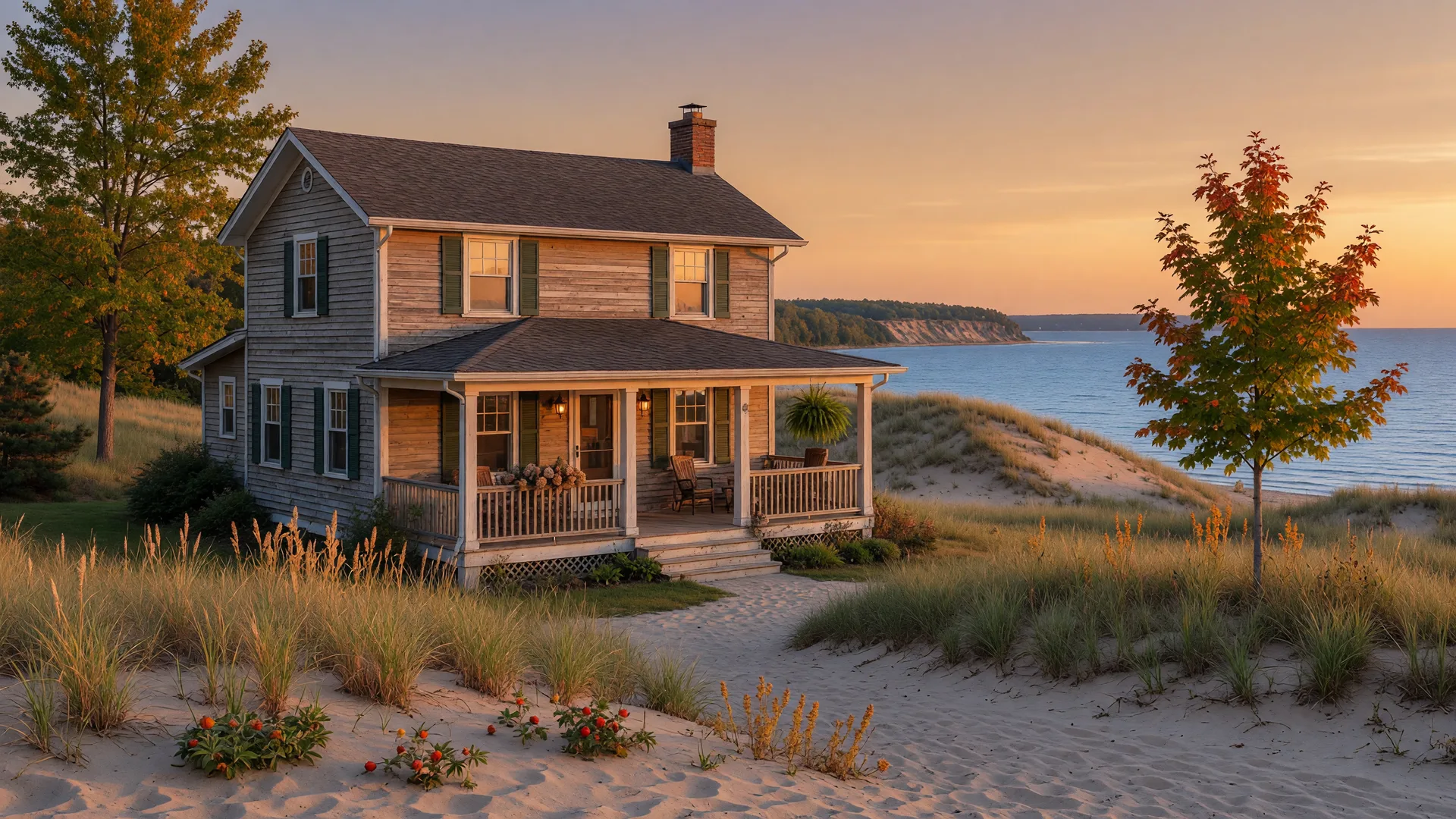
Dreaming of a weekend getaway near Lake Michigan? Here's what to know before buying a vacation property, from financing and rental rules to the real costs of ownership.
Have you ever stayed somewhere on vacation and thought, Wouldn't it be wonderful to have a place of our own here?
Maybe it's a cottage near Lake Michigan, a home where the family can gather for long weekends, or a property you could enjoy yourself and rent out when you're not using it.
It's an exciting idea. And with destinations like Michigan City, Indiana, and nearby Southwest Michigan, there are some appealing possibilities within reach of Northwest Indiana and Chicago-area buyers.
My upcoming segment as a local host of American Dream TV features Beachwalk Resort in Michigan City, which got me thinking about how many people dream of owning a vacation home.
But buying a second property is different from buying your primary residence. There are additional financing considerations, ongoing expenses, and important rules to understand, especially if you're considering rental income.
Let's walk through the process.

Step 1: Decide What You Want From Your Vacation Home
Before browsing listings, start with one question:
What do you really want this property to do for you?
There are three common goals:
- Personal getaway: A place to relax, spend weekends, and make memories with family and friends.
- Vacation home with occasional rental use: A property you primarily enjoy yourself but may rent out when you're away.
- Income-producing investment: A property purchased primarily to generate rental income.
That distinction matters because it can affect your financing, insurance, taxes, and the type of property you should consider.
For example, a cozy cottage might be perfect for your own weekend escapes but less practical if you're hoping to accommodate larger groups of renters.
Think about how often you'll realistically visit, who will use the property, and whether you're comfortable managing it from a distance.
Step 2: Choose a Location You'll Actually Use
Location matters in any real estate purchase, but with a vacation home, convenience can be especially important.
If getting there requires an exhausting trip every time, you might not use the property as often as you imagine.
For buyers in Northwest Indiana and the Chicago area, Lake Michigan destinations are worth exploring.
Michigan City, Indiana
Michigan City offers access to Lake Michigan beaches, dining, shopping, outdoor recreation, and a range of housing options.
Beachwalk Resort is one example of a vacation-oriented community in the area. Its resort-style setting and amenities illustrate why some buyers are drawn to properties designed around recreation and time together.
New Buffalo and Southwest Michigan
Across the state line, communities such as New Buffalo offer another option for buyers interested in a Lake Michigan getaway.
Property prices, taxes, rental regulations, and ownership costs can differ between Indiana and Michigan, so comparing the full financial picture is important.
Other Destinations
Some buyers prefer a quieter setting away from the busiest resort areas, while others want to be within walking distance of restaurants, beaches, and activities.
My advice: Visit your preferred area more than once, ideally during different seasons. A lively summer destination can feel very different in November or February.
Step 3: Understand How Vacation Home Financing Works
One of the biggest surprises for buyers is that financing a vacation home isn't necessarily the same as financing a primary residence.
Lenders generally distinguish among primary residences, second homes, and investment properties.
A qualifying second home is typically a property you personally occupy for part of the year. Under conventional lending guidelines, it must meet specific occupancy and property requirements.
If your primary goal is generating rental income, the lender may classify the purchase as an investment property instead.
That distinction can affect:
- Down payment requirements
- Interest rates and loan pricing
- Cash reserve requirements
- Whether anticipated rental income can help you qualify
- The documentation needed for approval
Some second-home buyers may qualify with a down payment of approximately 10%, depending on the loan program and borrower qualifications. Investment properties often require more.
Don't assume that future Airbnb or vacation rental income will automatically help you qualify for the mortgage.
Before touring properties, speak with a lender who understands second-home and vacation-rental financing. Explain exactly how you intend to use the property so you're exploring the right loan options from the beginning.
Step 4: Calculate the True Cost of Ownership
The mortgage payment is only one part of owning a vacation home.
You'll also need to budget for expenses that can be easy to overlook:
- Property taxes and homeowners insurance
- Flood insurance, if required or appropriate
- HOA or resort community fees
- Utilities, internet, and security systems
- Landscaping, snow removal, and seasonal maintenance
- Furniture, appliances, and household supplies
- Repairs and emergency expenses
- Property management, cleaning, and guest-related costs if you rent the home
Properties near the water may also have additional maintenance and insurance considerations.
And remember, you'll be maintaining two properties instead of one.
A Simple Budgeting Example
Suppose you're considering a vacation property with a $2,000 monthly mortgage payment.
That doesn't mean your total ownership cost is $2,000.
After adding taxes, insurance, HOA fees, utilities, maintenance, and reserves for unexpected repairs, your actual monthly expense could be considerably higher.
Rather than stretching to the highest purchase price a lender approves, establish a comfortable all-in budget.
If rental income is part of your plan, run the numbers conservatively. Allow for vacant periods, seasonal demand, management expenses, and repairs.
A vacation home should fit your financial life, not become a constant source of stress.
Step 5: Check Rental Restrictions Before You Make an Offer
This is one of the most important steps, especially if you hope to rent the property when you're not using it.
Not every vacation home can legally or practically operate as a short-term rental.
Depending on the location and property, you may encounter:
- City or county short-term rental rules
- Registration or licensing requirements
- HOA restrictions
- Minimum rental periods
- Occupancy and parking limits
- Resort or property management requirements
- Applicable lodging taxes and insurance requirements
And those rules can change.
Even within the same community, different properties may have different restrictions or governing documents.
Before making a purchase dependent on rental income, verify the applicable rules directly with the appropriate local authorities, HOA, and any relevant management organization.
Have your real estate agent and attorney help you review the documents and understand what you're purchasing.
Don't rely solely on a listing description that says a property is "rental-friendly."
Step 6: Research Rental Income Realistically
If you're hoping your vacation home will generate income, do your homework before counting on that money.
Look beyond the nightly rates you see advertised online.
Consider:
- Occupancy: How many nights are comparable properties actually booked?
- Seasonality: Does demand drop significantly outside summer or holiday periods?
- Management: Will you handle reservations, guest questions, and cleaning yourself, or hire someone?
- Operating costs: What will you spend on utilities, supplies, maintenance, insurance, platform fees, and management?
- Personal use: Will you want to stay there during the same peak weekends when rental income would be highest?
A property with strong summer demand can still have significant expenses during quieter months.
If you're evaluating a rental investment, ask for available historical financial information, compare similar properties, and review the numbers with a qualified financial or tax professional. My rental property analysis worksheet walks through exactly how to run those numbers.
Potential rental income should be a carefully evaluated benefit, not an assumption that makes the purchase affordable.
Step 7: Understand the Tax Implications
Vacation properties can have different tax consequences depending on how they're used.
A property reserved for personal use may be treated differently from one rented regularly to paying guests.
If you use a property for both personal stays and rentals, the IRS has rules governing how income and expenses are reported.
For example, the number of days you personally use the home can affect how certain rental deductions are handled. Special rules may also apply when a residence is rented for fewer than 15 days during the year.
Property taxes, mortgage interest, rental expenses, and possible deductions all deserve a closer look.
Because everyone's situation is different, speak with a CPA or tax advisor before making assumptions about tax savings.
The goal is to understand the financial implications before you buy, rather than discover them at tax time.
Step 8: Evaluate the Property Beyond Its Vacation Appeal
It's easy to fall in love with a beautiful view, a charming porch, or a home just minutes from the beach.
But a vacation property is still a major real estate purchase.
You'll want to investigate its condition carefully.
Pay particular attention to:
- Roof, foundation, and structural condition
- Heating and cooling systems
- Moisture intrusion and drainage
- Windows, siding, and exterior maintenance
- Plumbing and electrical systems
- Insurability and potential flood exposure
- HOA documents, financial health, and anticipated assessments
If the property will sit empty for extended periods, think about how you'll monitor and maintain it when you're away.
A thorough home inspection and appropriate specialist evaluations can help identify problems before closing.
And if you're buying in a resort-style community, make sure you understand exactly what the association maintains and what remains your responsibility.
Step 9: Make an Offer With the Right Protections
Once you've found a property that fits your goals and budget, it's time to develop an offer strategy.
The right approach depends on the property's condition, comparable sales, local demand, financing, and the seller's circumstances.
Depending on the transaction, important protections may include:
- Financing and appraisal provisions
- Home inspection provisions
- Review of HOA documents
- Verification of rental permissions
- Appropriate insurance due diligence
Your agent can help you understand the local market and structure an offer that reflects both the property's value and your comfort with the risks.
The objective isn't simply to win the property. It's to buy something you'll be happy owning for years to come.
Step 10: Plan for Ownership Before Closing
Before closing, think through how the property will operate once it's yours.
Who will check on it when you're away?
Who will handle maintenance emergencies?
Will you need a local cleaning company, landscaper, or property manager?
How will you prepare the home for winter?
If you plan to rent it, who will handle bookings, guest communication, and turnover?
Having these systems in place before your first visit can make ownership much more enjoyable.
Is Buying a Vacation Home Worth It?
That depends on what you're hoping to accomplish.
For some buyers, the greatest return isn't financial. It's having a familiar place to escape, reconnect, and create traditions with family and friends.
For others, a vacation property may also fit into a broader investment strategy.
Neither approach is automatically better.
What matters is choosing a property that matches your goals, understanding the responsibilities, and making a purchase that fits comfortably within your budget.
Frequently Asked Questions About Buying a Vacation Home
How much down payment do I need for a vacation home?
Some qualifying second-home mortgages allow down payments around 10%, but requirements depend on the lender, loan program, borrower qualifications, and intended property use. Investment properties may require larger down payments.
Can I rent out my vacation home on Airbnb or Vrbo?
Possibly, but first verify local laws, licensing requirements, HOA restrictions, insurance coverage, and your mortgage's occupancy requirements. Ownership does not automatically grant permission to operate a short-term rental.
Can rental income help me qualify for a vacation home mortgage?
It depends on the loan and how the property is classified. Conventional second-home financing generally does not allow rental income from that second home to be used for qualifying. Certain investment-property loans may permit qualifying rental income under specific documentation rules.
Is a vacation home a good investment?
It can be, but returns are not guaranteed. Evaluate the purchase price, financing, taxes, insurance, maintenance, rental demand, management costs, and potential resale value. Personal enjoyment may be an important benefit, but it should be considered separately from financial returns.
Where can I buy a vacation home near Northwest Indiana?
Michigan City, Indiana, and communities around Lake Michigan in Southwest Michigan are popular areas to explore. The best location depends on your budget, preferred activities, travel time, and whether rental use is part of your plan.
Final Thoughts: Buy the Vacation Home That Fits Your Life
Owning a vacation home can be a wonderful way to spend more time doing what you love.
But the best purchases begin with realistic expectations, good information, and a clear understanding of the costs and responsibilities.
I've personally owned and managed vacation rental properties, so I understand that there's more to this decision than finding a beautiful home.
If you're considering a vacation property in Northwest Indiana or exploring your options near Lake Michigan, I'd be happy to help you think through the possibilities and connect you with the right resources.
No pressure. No obligation. Just honest guidance.
Liz Rytel-Mudroncik, REALTOR®
Better Homes & Gardens Real Estate Connections
Serving Northwest Indiana
Disclaimer: This article is for general educational purposes and is not mortgage, legal, tax, or investment advice. Financing requirements, rental regulations, insurance availability, and tax rules vary. Consult qualified professionals and verify property-specific requirements before purchasing.
Related Reading
How to Analyze a Rental Property in Northwest Indiana
The step-by-step worksheet for running gross rent, vacancy, taxes, and cash flow on any rental, from a Realtor who owns rentals herself.
Investing in Rental Property in Northwest Indiana
Average rents across the region, vacation rental strategy, and the mistakes new landlords make.
Mortgage Pre-Approval in Northwest Indiana
Why getting pre-approved comes first, what lenders check, and how much home you can really afford.
Real Estate Investing in Northwest Indiana: 2026 Guide
Cap rates, top towns for ROI, financing, and tenant screening from a Realtor who invests locally.
Read the Buying Guide or contact Liz for a free consultation.
Thinking about a vacation property near Lake Michigan?
I've personally bought and sold six properties of my own, including two vacation rentals I've managed for 12+ years, so I understand what it takes to make a second home work, whether it's for family getaways, rental income, or both. Let's talk through financing, rental rules, and the real costs of ownership before you make an offer. No pressure. No obligation. Just honest guidance.
Schedule a Free Consultation