
House Hacking in Northwest Indiana: Buy a Duplex and Let Tenants Help Pay the Mortgage
Last Updated: September 11, 2026
Key Takeaways
- House hacking means living in one unit of a two-, three-, or four-unit building you own. FHA lets owner-occupied multifamily buyers put down as little as 3.5% when they occupy one unit themselves.
- The rules are real but specific: move in within 60 days of closing, live there at least 12 months, and you can count the other unit's rent toward qualification.
- Lake County is a genuine duplex market, with about 50 multifamily homes on the market at once and many duplexes priced under $300,000, while Hammond two-flats commonly list from $150,000 to $350,000.
- Hammond two-bedroom units rent for about $1,350 to $1,400 a month, so one tenant's rent can cover a large share of the mortgage.
- Run your property taxes at the non-homestead rate, because rental units do not get the Indiana Homestead Deduction.
House hacking is the classic first step into real estate investing: you buy a two-family home, live in one unit, and rent out the other. In Northwest Indiana the math works especially well, because entry prices are low enough that one tenant's rent can cover a big chunk of your mortgage payment.
I have bought and sold six properties of my own and managed rental properties for more than 12 years, including two vacation rentals, so I know exactly how this feels from both sides of the door. The region's duplex market is real, it is affordable, and the rules that let you start with 3.5% down are still in effect in 2026. Here is how house hacking works in Northwest Indiana, where to look, and the numbers you should run before you sign.
What Is House Hacking?
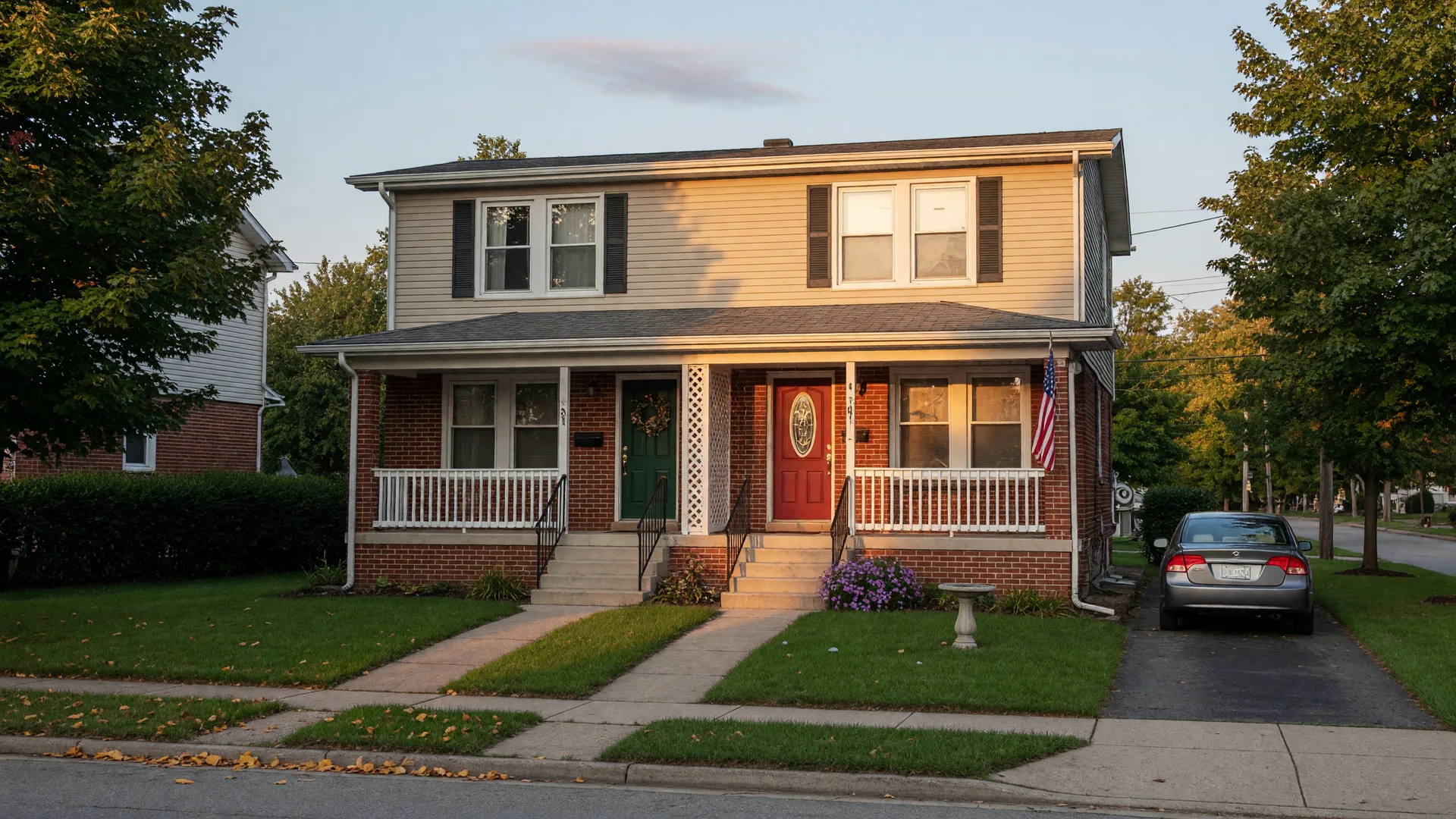
House hacking simply means owning a home you live in that also produces rental income. In Northwest Indiana the most common version is a duplex: two separate units under one roof, two entries, two kitchens, two sets of utilities. You live in one side and rent the other. Some buyers move up to triplexes and fourplexes, which work the same way.
Because you occupy one of the units, you get owner-occupied financing terms instead of investment-property terms, and that single difference is what makes the strategy work. The same building bought as a pure rental can require 20% or more down. The same building bought as your home can start at 3.5% down with FHA financing.
Why Northwest Indiana Is a Good Place to House Hack
Lake County already has the housing stock. Roughly 50 multifamily homes are listed at once on Redfin's Lake County multi-family page, with many duplexes priced under $300,000, while a map of Hammond alone turns up dozens of two-unit buildings. Hammond is the region's biggest duplex market, with entry-level two-flats that commonly list from roughly $150,000 to $350,000, and it sits right on the South Shore Line, which keeps demand for rentals steady.
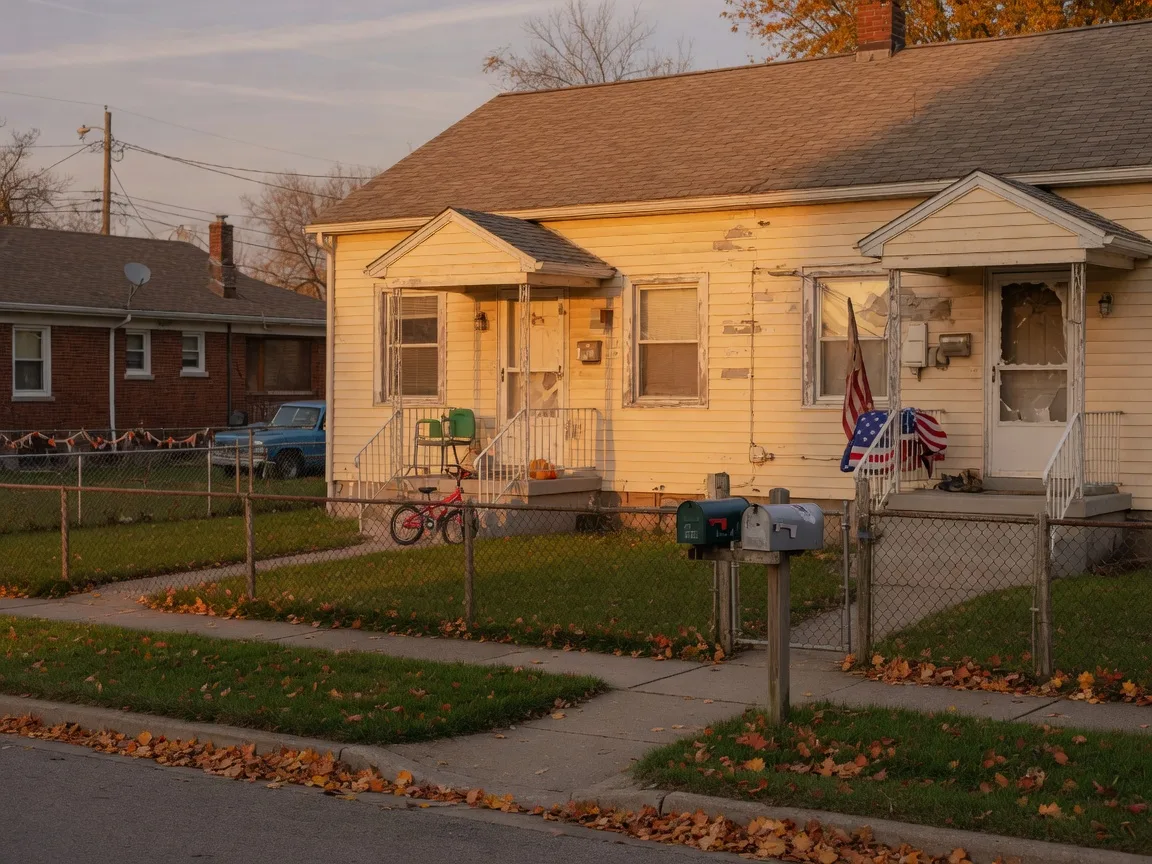
That matters for the rent side. Listing data puts two-bedroom Hammond rentals roughly at $1,350 to $1,400 a month, and landlords I talk to report steady, year-round demand near the commuter stations. Chicago renters continue to look across the state line for space and price, especially after the new Monon Corridor South Shore Line branch opened in 2026. I cover that commuter demand in depth in my guide to the Monon Corridor and the new South Shore Line branch.
How the 3.5% Down Rule Works (Yes, It Is Real)
The key rule lives at the federal level: FHA financing on HUD.gov covers owner-occupied two-, three-, and four-unit properties and treats them like an owner-occupied home. Qualified buyers with credit scores of 580 or higher can put down as little as 3.5%. You must move into one unit within 60 days of closing, intend to live there at least 12 months, and the rent from the other unit can be counted as income to qualify.
A few details worth knowing before you get excited:
- Owner-occupancy is mandatory. Move in within 60 days of closing and stay for at least 12 months. Using the building as a rental from day one is not allowed.
- Mortgage insurance stays for life. With less than 10% down, the FHA mortgage insurance premium stays on for the life of the loan.
Conventional financing can work for an owner-occupied duplex too, usually with a larger down payment. The important thing to remember when you buy with 3.5% down: you get the terms because you are living there, and that owner-occupant is exactly who the program was designed for.
Where to Look for a NW Indiana Two-Flat
Start in Hammond, IN, because that is where the two-family stock mostly lives. Look at the historic two-flats along the Illinois state line, around downtown Hammond and near the South Shore Line stations, in the Hessville area, and on the tree-lined avenues just across from Munster's most desirable streets. Older two-flats in East Chicago and parts of Gary start even lower, but they often ask for more updates and more careful tenant screening.
Owner-occupied duplexes surface in Highland, Schererville, and Crown Point from time to time, usually on larger lots and at higher price points, and they rent well to families. Whichever community you land on, working with a realtor who handles investor buyers matters, because tours, offers, and inspections for two-family homes go differently than single-family deals. That is exactly what I do day to day, and it is why I always start with a conversation about your goals before we look at a single door. The full walkthrough of the buyer's process is in my Northwest Indiana buying guide.
Run the Numbers Like an Investor
Here is the back-of-the-envelope I run with every house-hacking client:
- Down payment and closing. Plan on 3.5% down with FHA, plus closing costs of 2% to 5% of the price and an appraisal.
- Monthly payment. Principal, interest, taxes, insurance, and mortgage insurance combined. Taxes and insurance vary by address, so use real quotes.
- Rental income. Use a conservative rent for the second unit, not the optimistic one. Vacancy happens; set aside a few months of rent as a cushion.
- Maintenance. A duplex has two of everything. Two roofs eventually. Budgeting 1% to 2% of the home value a year usually keeps you safe.
- Property taxes. Only the unit you live in qualifies for the Indiana Homestead Deduction. Rentals are taxed at the higher, non-homestead rate, so run the tax estimate at that rate before you commit to a monthly budget.
Property tax is the step where I watch new house hackers get surprised, because the seller's current tax bill is based on their exemptions, not yours. I break down exactly how bills are calculated in my guide to understanding property taxes in Northwest Indiana.
The Landlord Side (I Would Not Skip This)
House hacking turns you into a landlord on day one, and it is a small-business job inside your home. Your tenant screening process matters more than your countertop granite. Credit and income checks, direct landlord references, and a written lease, every time. The Indiana Association of REALTORS publishes consumer resources on buying and owning, and a great local attorney who handles rentals is worth finding before the first lease.
This is also why I draw from my own 12 years of landlord life: you need a vacancy plan, six months of reserves, and a handyman you trust at 9 PM. That practical side of being a landlord is a book all its own, and I wrote it in my guide to investing in rental property in Northwest Indiana.
The Bottom Line
House hacking in Northwest Indiana is one of the most practical ways to start building real estate equity, and the market here makes it a real possibility, not a myth. FHA financing with 3.5% down, a tenant's rent carrying part of the mortgage, and steady commuter demand are a very strong combination. I have lived this strategy as an investor, a landlord, and a Realtor, and I want you to feel confident, not pressured, as you decide if it is right for you. If you are weighing a duplex anywhere in the region, start with a free conversation about the numbers, and reach out to me for a free consultation or market analysis. We can run the math on real properties, together, before you make the move. And if you are new to the region entirely, the neighborhood guides are a great place to get to know your towns.
Frequently Asked Questions
What is house hacking?
House hacking means buying a home you live in that also produces rental income. The most common version in Northwest Indiana is buying a two-family home, usually a duplex, living in one unit, and renting out the other. That rental income can offset your mortgage, utilities, and maintenance, sometimes almost completely. I recommend this strategy to first-time buyers who want to build equity without waiting years to save for a large down payment on a pure investment property.
Can I buy a duplex in Northwest Indiana with 3.5% down?
Yes, if you use FHA financing and actually live in one of the units. FHA treats owner-occupied two-, three-, and four-unit buildings the same as single-family homes for down payment purposes, so qualified buyers with credit scores of 580 or higher can put down as little as 3.5%. You must move into one unit within 60 days of closing and intend to live there for at least 12 months. With less than 10% down you will also carry FHA mortgage insurance for the life of the loan. Conventional loans on an owner-occupied duplex are also possible, usually with a higher down payment. Confirm current county loan limits and final terms with an FHA-approved lender before you make an offer.
Where should I look for a house hack in Northwest Indiana?
Start in Lake County, where most of the region's two-family housing sits today. Hammond is the biggest market, with duplexes that commonly list from roughly $150,000 to $350,000, and it anchors the South Shore Line corridor, which keeps rental demand strong. East Chicago and Gary offer lower entry prices but ask for more renovation patience and careful tenant screening. Owner-occupied duplexes also surface in Highland, Schererville, and Crown Point from time to time. If you work in Chicago, commuter rail access is often the deciding factor, and I cover that in depth in my guide to commuting to Chicago from Northwest Indiana.
What should I budget for beyond the down payment?
Expect closing costs of 2% to 5% of the purchase price, plus a home inspection, an appraisal, and your first year of property insurance. Build a maintenance reserve, because a duplex has two of everything: two roofs, two furnaces, two water heaters. And run your property tax numbers with the non-homestead rate, because the Indiana Homestead Deduction applies only to the unit you occupy. I explain the full picture in my guide to understanding property taxes in Northwest Indiana.
Is house hacking risky?
It comes with real landlord responsibilities, so go in with your eyes open. You need a vacancy plan, a maintenance fund, and a tenant screening process you use every single time. Indiana landlord-tenant law is workable for owners who follow the rules, and I have managed rentals for more than 12 years, so I can walk you through what to expect. The strategy shines when you buy the right property at a realistic price in a town with steady rental demand, which is exactly where local knowledge matters most.
Related Reading
Real Estate Investing in Northwest Indiana: 2026 Guide
Cap rates, top towns for rental ROI, and landlord tips for every Lake County investor.
Hammond, IN Neighborhood Guide
Affordable entry points, strong rental yields, and South Shore Line access.
Investing in Rental Property in Northwest Indiana
The cash flow basics, best towns, and what smart local investors actually look for.
Understanding Property Taxes in Northwest Indiana
Tax rates by community, how bills get calculated, and the exemptions available.
Browse all Neighborhood Guides or read more articles from the blog.