
Fall Home Maintenance Checklist for Northwest Indiana: Get Your Home Ready for Winter
Last Updated: October 2, 2026
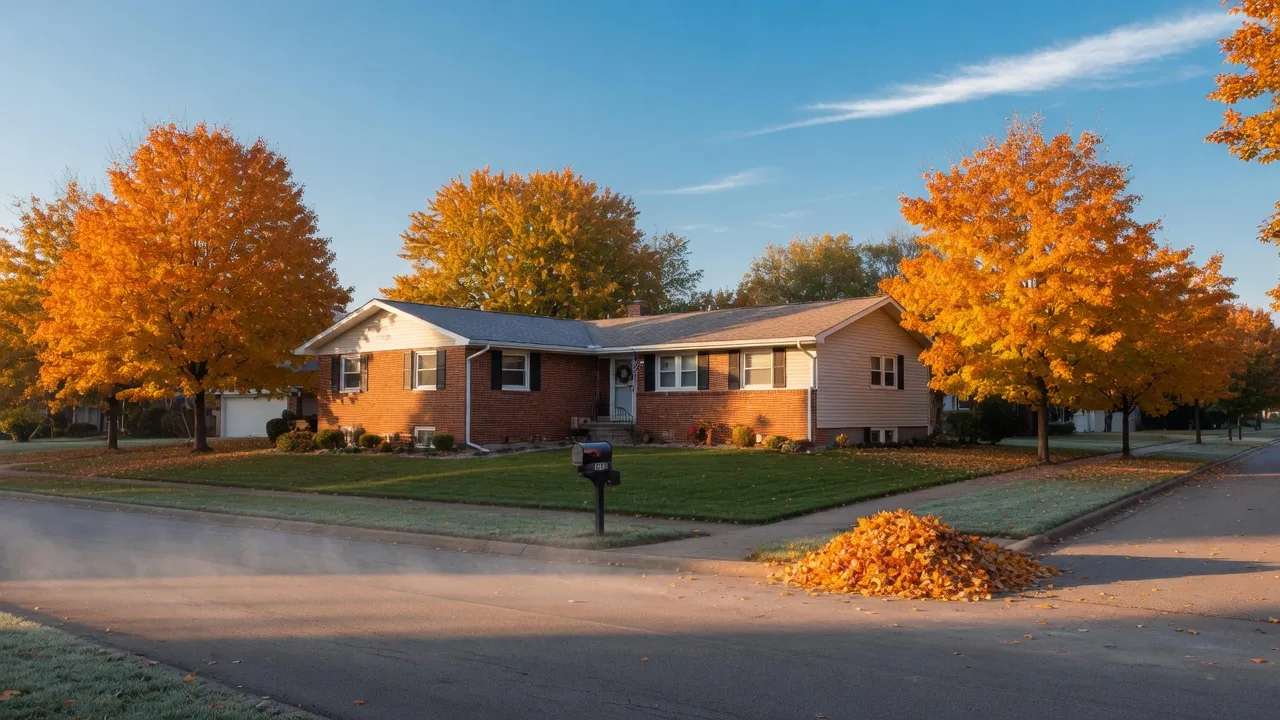
Key Takeaways
- October is when Northwest Indiana homes get winter-ready: the work done now, in dry fall weather, prevents the expensive surprises of January.
- Start outside with gutters, downspouts, and the roof, then move to the furnace, water heater, and drafty windows and doors.
- Winterize the yard before the hard freeze: blow out sprinklers, shut off outdoor faucets, disconnect hoses, and trim branches over the roof.
- Test smoke and carbon monoxide detectors with fresh batteries, and have your chimney inspected if you burn wood.
- Maintenance protects value too: a winter-ready home shows better to buyers, and keeping records gives you a story to tell at resale.
October is the month that decides how comfortable your Northwest Indiana home will be in January. This fall home maintenance checklist covers the exterior, the heating system, windows and doors, the yard, and the safety checks that carry a home through an Indiana winter, and most of these tasks also protect what your home is worth. Work through the list in dry fall weather and you head into the cold season ahead of the problems, not chasing them.
I have bought and sold six properties of my own, managed two vacation rentals for 12+ years, and spent 9 years as a Realtor in Northwest Indiana with 80+ homes sold. I have walked through hundreds of homes here in every season, and the ones that come through winter in the best shape are always the ones whose owners did the October work. A little planning now is the cheapest home insurance you can buy.
Why October Is the Month That Matters
Northwest Indiana winters bring snow, ice, and wind off Lake Michigan, and once the ground freezes, outdoor work stops and repairs get harder and pricier. October still gives you dry days in the 50s and 60s, which is ideal for roof work, gutter cleaning, and yard cleanup. This Old House's fall home maintenance checklist makes the same point: the small tasks done before the first hard freeze are the ones that save you the big calls in January.
Roof, Gutters, and Downspouts: The First Line of Defense
Water is the biggest enemy of a Midwest home, and fall is when it does the most damage. Clean leaves out of the gutters and downspouts so rain and melting snow have a clear path off the roof, and make sure downspouts carry water several feet away from the foundation. While you are up there, look for missing, cracked, or curled shingles, and check the flashing around chimneys and skylights. Ice dams form when clogged gutters trap water that freezes and backs up under the shingles, so a clean gutter system in October is honestly the single best roof protection most homeowners can buy.
Heat, Air, and Water Inside
Book your annual furnace tune-up in late September or October, before the first hard freeze. A technician will clean the burner, check the heat exchanger, and catch small problems while they are cheap. During heating season, check or replace the filter monthly, because a dirty filter makes the furnace work harder and shortens its life. If your furnace runs a humidifier, have it serviced at the same time, and drain a few gallons from the water heater to clear sediment. Reverse ceiling fans to push warm air down, and test the sump pump before the spring melt, not during it.
Windows, Doors, and Weatherstripping
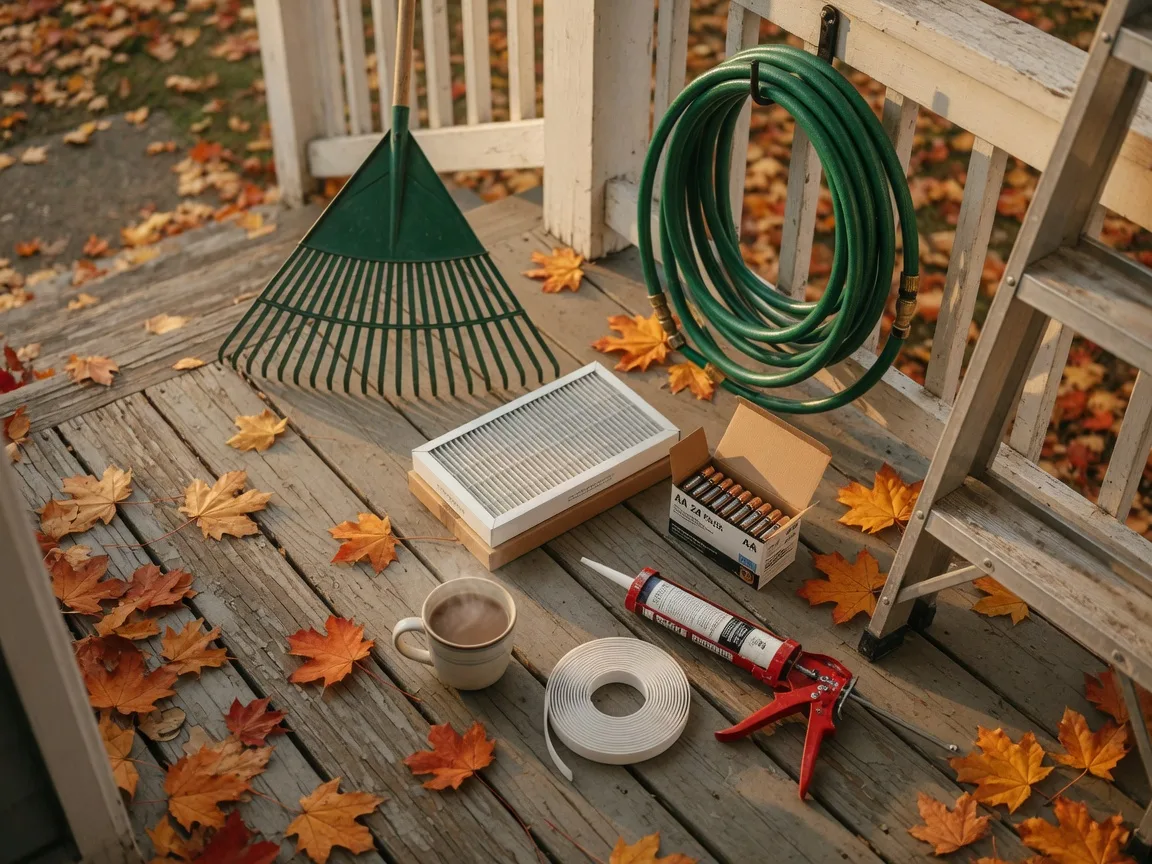
Drafty windows and doors are how heating dollars walk out of the house all winter. Check weatherstripping around doors and replace what is cracked or missing, install door sweeps, and caulk gaps where siding meets windows and doors. It is a weekend project with a real payoff: the U.S. Department of Energy's fall and winter energy-saving tips put air sealing at the top of the list, along with a programmable thermostat that turns the heat down when nobody is home.
The Yard Before the Snow
Give the yard one good final push. Rake or mulch the leaves so they do not mat down and damage the grass, cut the lawn short for the last mow, and trim branches that overhang the roof so ice and snow cannot snap them onto the shingles. If you have in-ground sprinklers, have the lines blown out with compressed air before the ground freezes, and shut off and drain outdoor faucets, then disconnect and drain garden hoses so water cannot back up and freeze inside the pipes. Drain the gas out of the mower, store the hoses, and mulch the beds. For homes in lake-effect zones, a clean yard also means fewer leaves blowing into clogged storm drains along the block.
Safety Checks Before the Holidays
Longer evenings and closed-up houses make safety checks a fall ritual. Test smoke detectors and carbon monoxide detectors and put in fresh batteries, then replace any unit older than 10 years. If you burn wood, have the chimney cleaned and inspected before the first fire, and check that the fireplace damper seals tightly when not in use. Finally, sweep wet leaves off walkways and steps, and make sure entry and porch lights work, because buyers and guests both judge a home by the walk up to the front door.
What This Work Does for Your Home's Value
There is a direct line between October maintenance and resale value. A tidy yard, clean gutters, and a draft-free, working home read instantly to buyers, appraisers, and inspectors as a property that was cared for. The National Association of Realtors' Remodeling Impact research tracks which projects tend to return the most value at resale, and the pattern holds: practical, well-executed updates beat big luxury renovations every time. If your home improvements or outdoor upgrades are on your list for the year, fall is the season to finish the exterior ones. And when the time comes to sell, my Northwest Indiana selling guide covers how preparation, presentation, and records work together to position a home for top dollar.
A Simple Fall Maintenance Calendar
You do not need to do everything in one weekend. Spread it out: gutters and roof in early October, furnace service and weatherstripping by mid-month, sprinkler blowout and yard cleanup before Halloween, then detectors, chimney, and mulched beds by Thanksgiving. If you stayed on top of the summer home maintenance checklist and the September home maintenance checklist, fall is mostly finishing the loop. Then December through February becomes a light indoor routine: filters, ice buildup on walkways, and watching for roof icicles that signal an insulation or venting problem.
Homes in Munster and across Northwest Indiana all face the same winter, and the same truth applies: the owners who do the October work sleep easier in January. A few weekends now protect comfort, safety, and the value you have built in your home, and that is real money in every sense.
Not sure where to start on your house, or thinking about what the home is worth once it is winter-ready? That is exactly the conversation I love to have. Reach out for a free consultation or call (219) 670-3704. I have got your back, and I want you to feel confident, not pressured, from first conversation to closing day.
Related Reading
September Home Maintenance Checklist for Northwest Indiana
The late-summer tasks that set your home up for a low-stress fall transition.
Summer Home Maintenance Tips for Northwest Indiana
HVAC, roofing, and landscaping basics that keep your home's value protected all year.
Home Improvements That Boost Home Value
Which projects return the most at resale in Northwest Indiana, before you spend a dollar.
Outdoor Upgrades That Add Home Value
Curb appeal projects that pay off, from landscaping to hardscaping, timed right for fall.
Read the Selling Guide or contact Liz for a free home market analysis.
Frequently Asked Questions
What fall maintenance tasks matter most in Northwest Indiana?
The highest-impact tasks are cleaning gutters and downspouts, checking the roof for missing or damaged shingles, servicing the furnace before peak heating season, sealing drafts around windows and doors, and winterizing outdoor water. Northwest Indiana winters bring snow, ice, and wind off Lake Michigan, and these five areas are where a little October work prevents the biggest January problems.
When should I have my furnace serviced in Northwest Indiana?
Book the annual tune-up in late September or October, before the first hard freeze. A technician will clean the burner, check the heat exchanger, verify carbon monoxide readings, and catch small problems while they are cheap. During heating season, check or replace the filter monthly, because a dirty filter makes the furnace work harder and shortens its life.
Do I really need to blow out my sprinkler system before winter?
Yes, if you have an in-ground irrigation system. Any water left in the lines freezes, expands, and can crack underground pipes and sprinkler heads, which is an expensive spring discovery. Have a professional blow out the lines with compressed air before the ground freezes, shut off and drain outdoor faucets, and disconnect garden hoses so water cannot back up into the house pipes.
Do fall yard projects actually add home value?
They do. A tidy yard, clean gutters, and a freshly sealed, draft-free home read as a well-cared-for property to buyers, appraisers, and home inspectors. The National Association of Realtors' Remodeling Impact research tracks which projects tend to return the most value at resale, and practical, well-executed updates consistently beat big luxury renovations. Maintenance is also a story you can tell: keeping records of furnace service, gutter cleaning, and winterizing shows a buyer the home was protected.
How should I prepare my home to sell in the fall or winter?
First impressions matter even more in cold weather. Clear walkways and stairs of leaves and ice, keep entry mats clean, make sure entry lighting works for the shorter days, and photograph the home on a bright day. Then pull together your maintenance records so the buyer knows the roof, gutters, furnace, and sprinklers were cared for. A winter-ready home shows confidently, and I help sellers with that whole preparation process before we ever put a sign in the yard.